Is Your Roof Leaking? Signs Perth Homeowners Should Know
Perth's distinct climate presents unique challenges for residential roofing. Between the scorching summer heatwaves that bake tile bedding and the intense winter frontal systems that sweep through Western Australia, roof structures endure significant wear and tear throughout the year. For residents in the Armadale area and across the southeastern foothills, heavy downpours, strong winds, and mature gum trees add extra strain on roof integrity. Identifying the early warning signs of a roof leak can prevent minor moisture issues from escalating into hazardous, expensive ceiling collapses.
Internal Signs of a Roof Leak Inside Your Home
Most homeowners only realise they have a problem when water begins dripping onto the floor, but roofs often leak for weeks or months before dripping becomes visible. Catching these early indoor indicators will save you significant repair costs.

Ceiling Discolouration and Water Rings: One of the earliest signs is a faint, yellowish-brown stain on your plasterboard ceiling or high on your interior walls. These water rings often expand gradually after consecutive rainy days.
Bubbling Paint or Peeling Wallpaper: When moisture becomes trapped behind paint, it breaks the seal between the paint layer and the wallboard. If your ceiling paint begins to sag, bubble, or peel away in patches, moisture is almost certainly pooling directly above it.
Damp or Musty Odours: In roof cavities with inadequate ventilation, a persistent slow leak will soak into insulation batts. Wet insulation produces an earthy, musty smell that drifts down through light fixtures and ducted air conditioning vents, signaling the onset of mould growth.

External Warning Signs to Check From the Ground
You do not need to climb onto a hazardous roof to spot potential failure points. A visual inspection from ground level using binoculars often reveals structural compromises that let water penetrate your home.
- Cracked or Displaced Roof Tiles: Thermal expansion during blistering summer days makes concrete and terracotta tiles brittle, leading to hairline cracks that allow storm rain to seep underneath.
- Deteriorated Ridge Capping: The mortar pointing securing the ridge caps on tiled roofs breaks down over time, creating fissures where wind-driven rain easily penetrates.
- Rust and Corrosion on Metal Sheeting: Colorbond and zincalume roofs can develop rust patches, particularly in screw penetrations and low-pitch joins where leaf debris retains moisture.
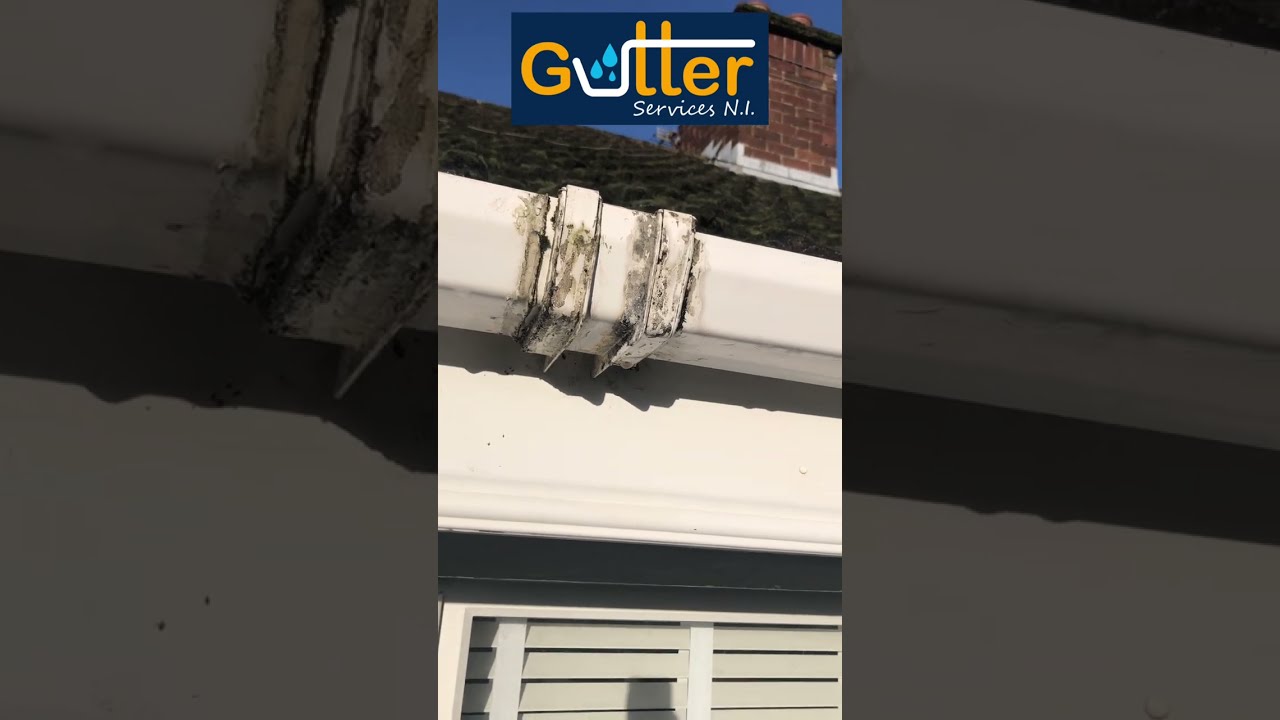
- Sagging or Overflowing Gutters: When gutters pull away from the fascia board or choke with eucalyptus leaves, water backs up underneath the eaves and flows directly into the roof space.
Why Armadale Homes Are Especially Vulnerable
Homes https://ellioticmi981.brightpathdigest.com/posts/how-to-stop-pigeons-and-birds-from-nesting-on-your-roof located along the Darling Scarp and throughout Armadale face specific microclimate conditions compared to coastal Perth. The foothills often receive higher rainfall totals and stronger gusts during winter storm fronts. Furthermore, the abundance of native vegetation means gutters, valleys, and downpipes fill rapidly with organic matter. When decaying foliage sits in roof valleys, it acts like a sponge, trapping water against metal flashings and forcing it beneath tile overlaps.
What to Do If You Suspect a Roof Leak
Taking swift, deliberate action will limit secondary damage to your home’s electrical wiring, timber framing, and plasterboard ceilings.
- Protect Your Interior: Move furniture and electronics away from the damp area, place buckets beneath active drips, and lay towels to catch water splashes.
- Relieve Water Pressure: If you notice an active, bulging water blister in your plasterboard ceiling, carefully pierce the centre with a screwdriver to drain the reservoir into a bucket, preventing a catastrophic ceiling collapse.
- Switch Off Nearby Power: If water is tracking near downlights or electrical fixtures, isolate the power circuit at your main switchboard immediately to avoid short circuits.
- Engage a Licensed Professional: Arrange a comprehensive roof inspection from a licensed roofing specialist who can safely identify the source and restore flashing, re-point mortar, or replace broken tiles.
Regular maintenance remains the most effective defense against water damage. By inspecting your ceilings regularly and keeping gutters clear, you can protect your property from the elements and ensure your roof remains watertight all year round.
Armadale Roof Restoration
WA, 6112
(08) 9560 7331